

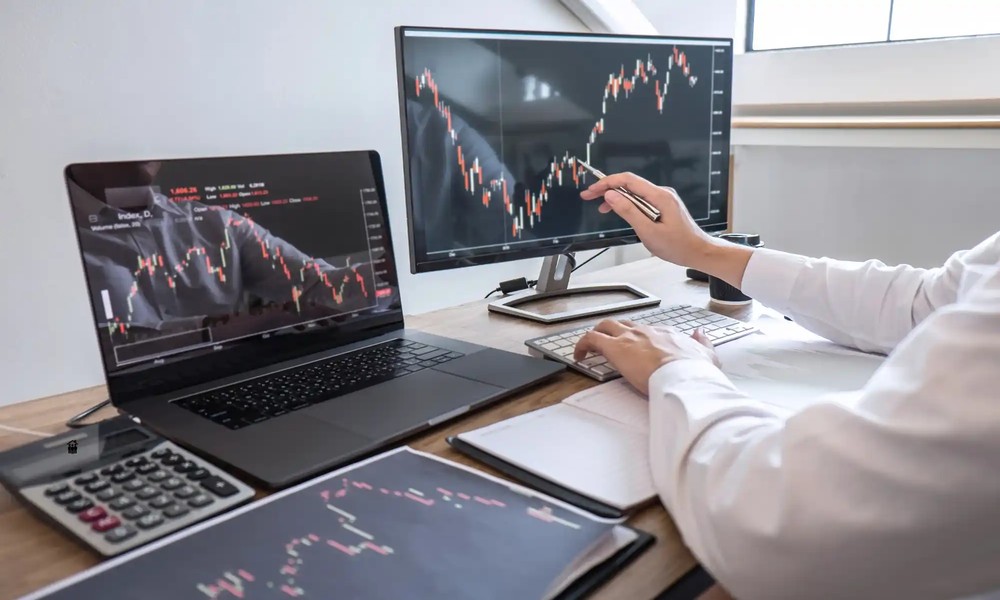
The financial landscape across the United Arab Emirates has evolved rapidly over the past decade. What was once viewed primarily as a regional hub for oil, real estate, and banking has transformed into a sophisticated environment for global investing and digital finance. Traders in the Emirates are no longer limiting themselves to a single asset class. Instead, individuals and institutions alike are exploring opportunities across forex, equities, commodities, cryptocurrencies, and indices through integrated trading platforms.
This expansion reflects a broader shift in investor behaviour. Modern traders are looking for flexibility, risk diversification, and access to global markets from a single ecosystem. With the UAE positioning itself as a leading financial centre in the Middle East, multi-asset trading has become an important part of the country’s economic and technological growth. Strong regulatory progress, rising financial literacy, and increased participation from younger investors are helping shape this momentum.
The Rise of Diversified Trading Strategies
One of the biggest changes in the Emirates has been the growing demand for diversified portfolios. Investors are increasingly aware that relying on one market alone can create unnecessary exposure to volatility. Multi-asset trading allows traders to spread risk while also identifying opportunities across sectors and regions. This strategy has become particularly attractive during periods of global uncertainty when markets react differently to inflation, interest rates, or geopolitical developments.
The UAE’s investor community is also becoming more globally connected. Many traders now follow international economic trends closely and use technology to react in real time. Whether it is tracking energy prices, monitoring central bank announcements, or responding to shifts in the technology sector, traders want access to multiple instruments without switching between several brokers or systems. This demand has encouraged trading providers to build more comprehensive and user-friendly platforms.
Financial professionals across the region have acknowledged that accessibility is reshaping participation in trading. Institutions and educational platforms continue to emphasise the importance of understanding multiple asset classes rather than focusing narrowly on a single market. This broader perspective aligns with global trends in financial education and wealth management, where diversification is considered a core principle of long-term investing.
Technology Driving Market Accessibility
Technology has played a major role in accelerating the adoption of multi-asset trading throughout the Emirates. Mobile platforms, advanced analytics, and cloud-based systems now allow traders to manage portfolios from virtually anywhere. The convenience of executing trades across forex, stocks, commodities, and digital assets through one interface has removed many traditional barriers to entry.
The Emirates has embraced financial innovation at a rapid pace. Government-backed initiatives supporting fintech development have created an environment where digital financial services can thrive. This has encouraged both regional and international firms to establish operations in cities such as Dubai and Abu Dhabi. As a result, traders now have access to sophisticated tools that were once available mainly to institutional investors.
Platforms such as ADSS have contributed to this shift by offering access to multiple financial markets within a streamlined trading environment. The ability to analyse various asset classes in one place helps traders make more informed decisions while improving efficiency. As competition among trading providers grows, users are also benefiting from improved educational resources, stronger customer support, and enhanced platform security.
Regulatory Confidence and Investor Growth
A strong regulatory framework has become one of the defining features of the UAE’s financial sector. Authorities across the Emirates have worked to strengthen compliance standards, encourage transparency, and attract reputable financial institutions. This approach has increased confidence among traders and investors who want reassurance that their trading activities are supported by clear oversight and operational integrity.
Global financial centres often succeed because they combine innovation with trust, and the UAE has increasingly demonstrated this balance. Financial free zones and regulatory authorities have introduced frameworks that align more closely with international standards. This is particularly important in the world of multi-asset trading, where investors may engage with a broad range of financial products carrying different levels of complexity and risk.
Investor growth has also been influenced by demographic trends. Younger professionals in the UAE are more digitally engaged and financially curious than previous generations. Many are actively learning about investing through online courses, webinars, and market analysis content. This growing interest is helping create a more informed trading culture where education and responsible participation are becoming central themes.
Conclusion
The expansion of multi-asset trading across the Emirates reflects a larger transformation within the UAE’s financial ecosystem. Investors are becoming more connected, more informed, and more willing to explore opportunities beyond traditional markets. Supported by technological innovation and stronger regulatory confidence, the region has positioned itself as a growing centre for modern trading activity.
As participation continues to rise, the Emirates is likely to play an even greater role in shaping financial trends across the Middle East and beyond. Multi-asset trading is no longer simply a niche strategy for experienced investors. It has become part of a broader movement toward accessible, diversified, and globally connected financial participation that aligns with the UAE’s vision for economic progress and innovation.
